A piece of Switzerland is coming to Colorado – join the journey! [Learn more]

Farmers
Facts about Switzerland
Area:
Switzerland covers an area of approximately 41,285 square kilometers (15,940 square miles).
Population:
The country is home to about 8.7 million people (as of 2025).
Currency:
The official currency is the Swiss franc (CHF).
Capital:
The capital city of Switzerland is Bern.
Cantons:
Switzerland is made up of 26 cantons, each with its own unique culture, traditions, and local specialties.

Facts About the Seetal Valley
Location & Geography:
The Seetal, or “Lake Valley,” is a picturesque region in central Switzerland, stretching across parts of the cantons of Aargau and Lucerne. The valley extends from the southern area near Eschenbach (LU) up north to the town of Lenzburg (AG). Known for its rolling hills, fertile fields, and scenic views, the Seetal is one of Switzerland’s most charming agricultural landscapes.
Water & Rivers:
The valley is shaped by two main rivers – the Aabach (also called Hallwiler Aa) and the Ron. The Aabach’s watershed covers approximately 302.9 square kilometers, with about 56.9% of this area used for agriculture. The region’s abundant freshwater and nutrient-rich soil create ideal conditions for growing high-quality grains and crops.
Lakes:
The Seetal is home to two stunning lakes: Lake Hallwil (Hallwilersee) and Lake Baldegg (Baldeggersee). Lake Hallwil covers about 10.3 square kilometers and is one of the most popular natural treasures in the area, attracting visitors for its beauty and recreational opportunities.
Agriculture & Heritage:
Agriculture plays a vital role in the Seetal Valley. Its fertile land and mild climate support a variety of crops, including wheat and other grains used in traditional Swiss bread-making. The region’s strong farming traditions, passed down through generations, make Seetal an essential contributor to Switzerland’s artisan food culture.
Towns and Villages:
The Seetal includes numerous charming villages and towns, such as Aesch, Altwis, Ballwil, Beinwil am See, Birrwil, Boniswil, Dürrenäsch, Egliswil, Ermensee, Fahrwangen, Hallwil, Hitzkirch, Hochdorf, Hohenrain, Leutwil, Meisterschwanden, Römerswil, Seengen, Seon, and Schongau. Each contributes its own character, traditions, and agricultural know-how to the region’s unique identity

From Grain to Heritage – The Seetal Mill
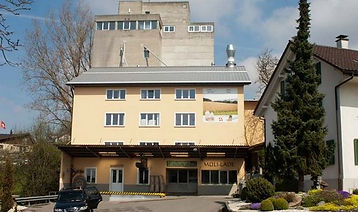
The flour used in Volant & Crumb bread mixes comes from the heart of the Seetal Valley, sourced directly from the Seetal Mill (Mühle Seengen) – a traditional Swiss mill with deep roots in local farming and craftsmanship.
Located in one of Switzerland’s most fertile regions, the Seetal Mill works closely with small family farms in the surrounding valley. These partnerships ensure that every grain is grown with care, harvested sustainably, and milled with the highest quality standards. The grains processed here reflect the unique terroir of the Seetal, shaped by rich soil, clean water, and centuries of agricultural knowledge.
The Seetal Mill is more than just a place where grain becomes flour – it’s a living piece of Swiss heritage. For generations, mills along the Aabach River have powered the region’s food production, supporting communities and preserving traditional baking culture. Today, the Seetal Mill continues that legacy, combining time-honored milling techniques with modern standards of food quality and safety.
By choosing flour from the Seetal Mill, Volant & Crumb connects Colorado with the essence of Swiss farming. Every bag of bread mix carries a story of tradition, sustainability, and authenticity – from the golden fields of the Seetal Valley to your kitchen table.
Agriculture and Wheat Cultivation
Despite its mountainous terrain, Switzerland uses about 38% of its total land area for agriculture. Around 10% of the country’s surface is considered arable land, suitable for growing crops.
Approximately 140,000 hectares (345,000 acres) of land are dedicated to the cultivation of cereals – including wheat, rye, and other grains essential for traditional Swiss bread. This strong agricultural foundation supports Switzerland’s long-standing baking traditions and contributes to the high quality of its artisan bread.

Agriculture in the Seetal Valley
Farming is at the heart of life in the Seetal Valley. The region’s rolling hills, fertile soils, and mild climate make it one of the most productive agricultural areas in the canton of Aargau.
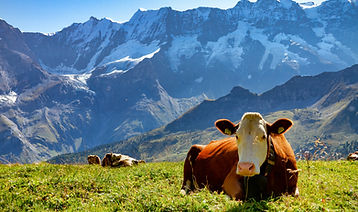
Across the Seetal, dozens of family-run farms continue traditions that have been passed down for generations. Many of these farms are mixed operations, combining livestock farming – such as dairy cows and cattle – with crop cultivationon surrounding fields. This sustainable approach allows farmers to make the best use of the land and maintain soil health.
Within the wider canton of Aargau, there are around 3,300 agricultural farms, and the Seetal contributes a significant share to this number. About 60% of the region’s agricultural land is used as arable farmland, producing a variety of crops. Of this arable land, an estimated 10–30% is dedicated to cereal cultivation, including wheat, rye, and other grains essential for bread production.
This rich agricultural landscape is the source of the high-quality flour used in Volant & Crumb’s artisan bread mixes. By sourcing directly from these local farms, we not only support traditional Swiss agriculture but also bring authentic Swiss flavors to tables in Colorado and beyond.
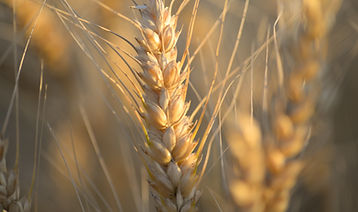
Ancient Wheat Varieties – Preserving a Living Heritage
Switzerland is home to a remarkable diversity of ancient wheat varieties that have been cultivated for centuries and are now experiencing a revival. These grains – once nearly forgotten – are being rediscovered by farmers, millers, and bakers who value their unique qualities, resilience, and historical significance.
Some of the most notable heritage grains include:
-
Einkorn (Triticum monococcum): One of the earliest domesticated wheat species, cultivated since the Neolithic period. It is rich in nutrients, easy to digest, and known for its mild, nutty flavor.
-
Emmer (Triticum dicoccum): Also known as “Zweikorn” in German, this ancient grain was widely grown in Europe thousands of years ago. It is valued for its high mineral content, rustic taste, and adaptability to less intensive farming methods.
-
Spelt (Triticum spelta): Called “Dinkel” in Switzerland, this grain has been a staple in traditional Swiss farming for centuries. It thrives in cooler climates, requires fewer inputs, and produces flour with excellent baking properties.
-
Oberkulmer Rotkorn & Swiss Ur-Dinkel: Traditional Swiss spelt varieties that have remained genetically pure. They are especially prized for their robust flavor, natural resilience, and compatibility with sustainable farming.
Reviving these ancient wheats is about more than preserving biodiversity – it’s about restoring a connection to the land and the way food was grown for generations. These grains are naturally hardy and require fewer interventions, making them well-suited for low-input, environmentally friendly agriculture.
Switzerland’s strict agricultural regulations further protect soil and ecosystems. The use of chemical pesticides and herbicides is tightly controlled and significantly more limited than in many other countries. Farmers prioritize integrated pest management, biodiversity, and soil health, resulting in grains that grow in balance with nature rather than against it.
Today, these heritage grains are once again thriving in Swiss fields – a testament to centuries of agricultural knowledge and a commitment to sustainable food production. They not only enrich biodiversity but also offer unique flavors, higher nutritional value, and a tangible link to Europe’s agricultural past.